Natalie Mitchell
Art Psychotherapist and art teacher
Supporting mental health and connection through creative expression
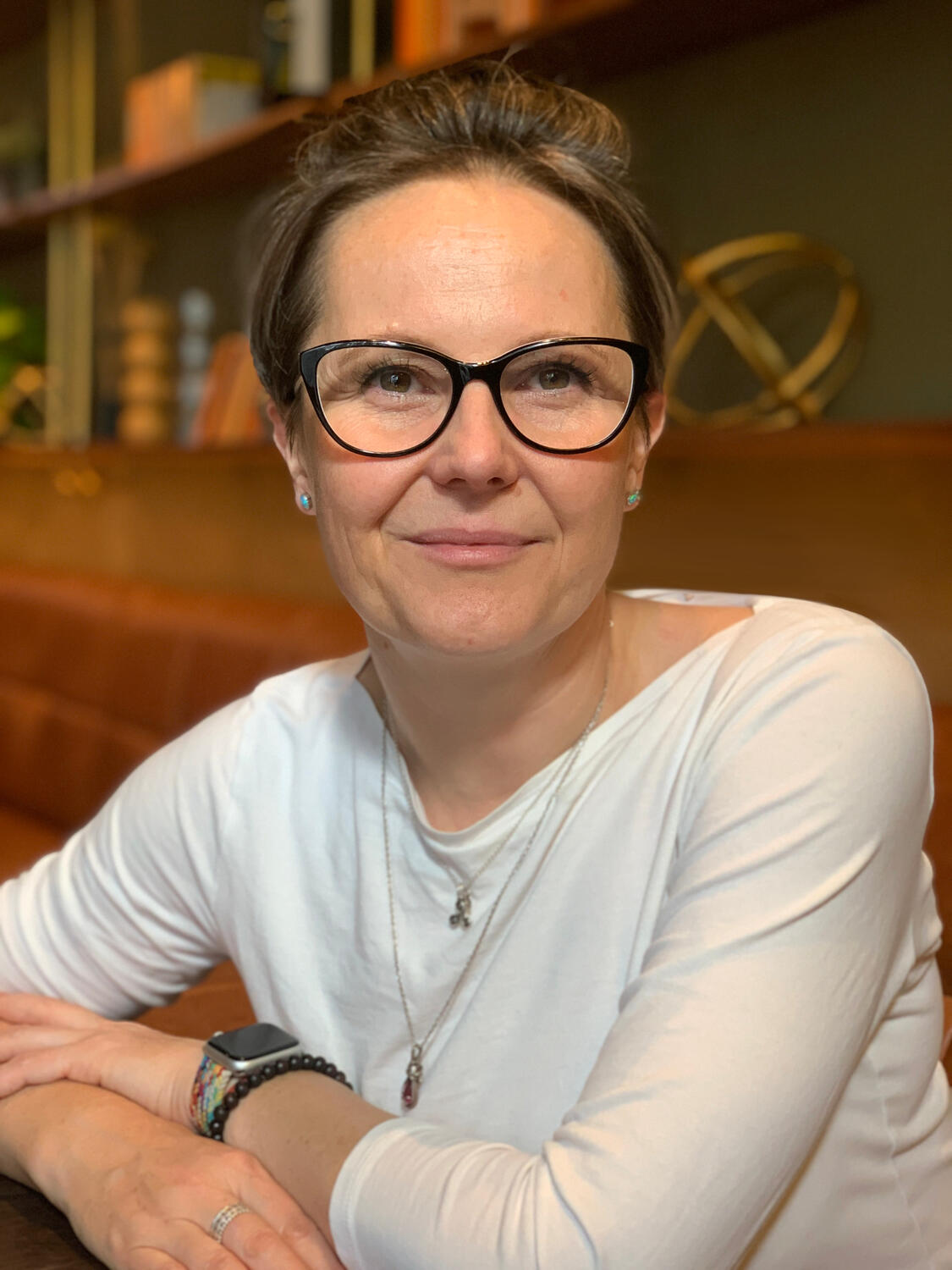
Hi, I'm Natalie
I am an MSc-qualified, HCPC-registered art psychotherapist with previous experience as a primary school teacher, specialising in art education. I have worked as a community support worker with adults with learning disabilities.I work therapeutically with children and young people in community, school and charity settings - I currently offer art therapy through non-profit organisations across Edinburgh, Midlothian, and Fife. I support children and young people in exploring their emotions, thoughts, and experiences, helping them to understand and process worries, challenges, and difficulties through art-making and creative expression. I also collaborate with families, schools, and other professionals to ensure a supportive and holistic network of care around each child or young person.Alongside traditional art materials, I incorporate a range of creative approaches into my work, including music and sound, songwriting, storytelling, engagement with the natural environment, drama, movement, and play.I also work as a Specialist Mental Health Mentor with university students in Scotland.I regularly support LGBTQIA+ youth, this space can allow creative expression to explore gender, sexuality, and identity. I have a personal interest in menstruality and our cyclical nature, and I am passionate about how art therapy can support girls, women and queer folk of all ages in connecting with their bodies and sense of self in the world. I am also interested in the role of nature in supporting wellbeing, and I draw inspiration from the Celtic Wheel of the Year to inform both my personal and professional creative practice.I am based in Midlothian, Scotland.
My Values and Approaches
My training is grounded in psychodynamic, person-centred, and trauma-informed approaches. I work with curiosity, empathy, and care, aiming to create gentle yet empowering spaces where you can explore your emotions, thoughts, relationships, and experiences through creativity. This might involve art materials, as well as play, movement, sound, or time in nature.I take a holistic and collaborative approach to our work together, with deep respect for your lived experiences. We’ll keep in mind the relationships, experiences, and environments that shape your life, while exploring creative ways of working. You’re encouraged to lead the process, but if that feels difficult at times, I’ll be there alongside you, supporting your journey.Alongside my work with clients, I remain committed to my ongoing personal and professional development as an art therapist. I engage in regular clinical supervision to support reflective, accountable practice, and to deepen my commitment to working in anti-oppressive and inclusive ways, with awareness of community and the wider collective.
[email protected]
07543 159505
All images on this site are my own unless otherwise credited, quotes and feedback offered with consent
© Natalie Mitchell. All rights reserved.
What is Art Therapy

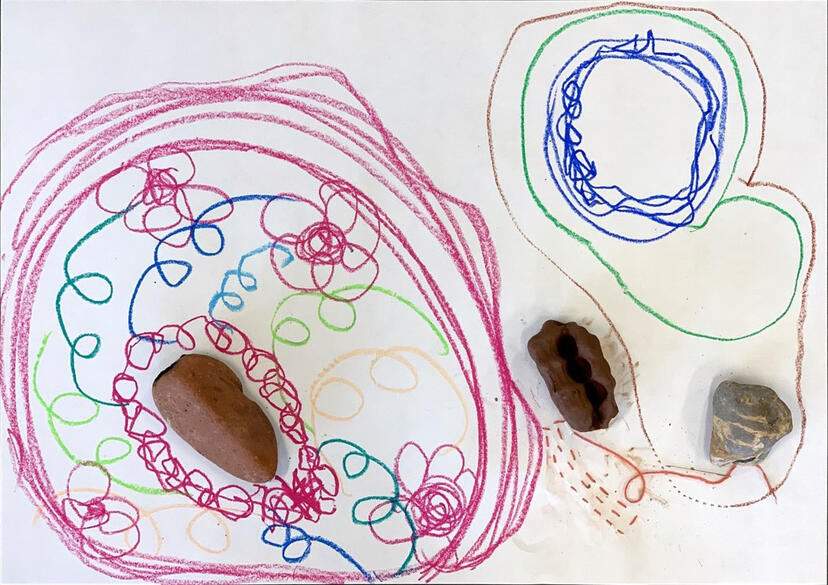
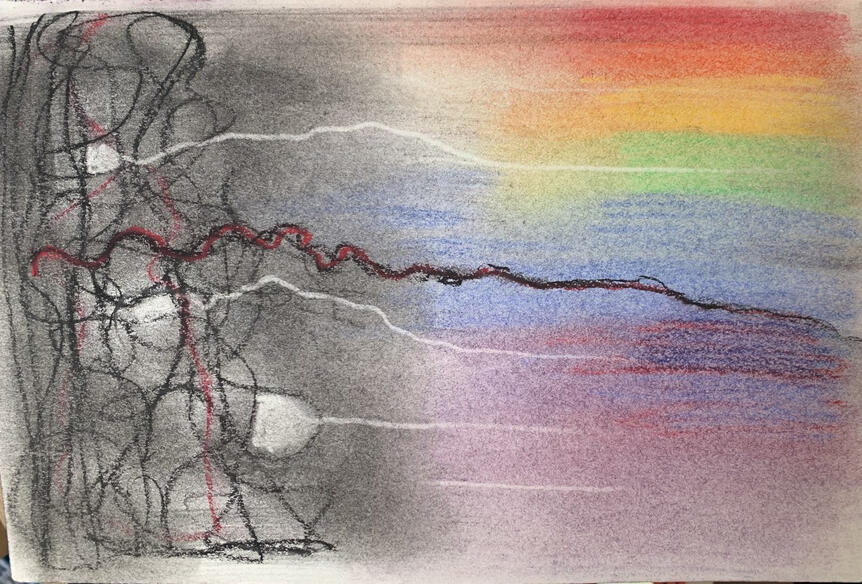
People have always used art and creativity to express themselves, it is well known that making art can calm both the body and the mind. Because of this, art therapy offers a creative and supportive way to explore and share our thoughts and feelings. With the guidance of a trained therapist, we can reflect on the art we create and begin to make sense of our emotions, experiences, and challenges.When we feel overwhelmed or have experienced trauma, parts of the brain that help us think clearly or find the right words can temporarily shut down. As a result, it can be very hard to explain how we feel. In these moments, making art can feel safer and more natural than talking and offers a connection to our physical self. By expressing ourselves creatively, we can start to process difficult emotions, understand them more deeply, and gradually move forward.As we continue creating in a supportive space, the relationship with our therapist becomes an important and collaborative part of the process. Through gentle guidance and curiosity, we can be encouraged to explore feelings and issues that may otherwise be too difficult to put into words. Over time, this can help us understand ourself more clearly, build confidence, reduce stress, and develop greater self-acceptance.Ultimately, art therapy can help take ownership of our emotions by understanding what we are feeling, where we are feeling it, why we might be feeling that way, and how to express those emotions in healthy ways.
© Natalie Mitchell. All rights reserved.
what i offer
my areas of interest and experience -
- neurodivergence in children and young people
- young carers
- LGBTQIA+ youth - gender and identity affirming and exploratory
- menstruality
- relational trauma
- fear, anxiety and panic attacks
- bereavement, loss and change
- learning disabilities
- migraine, chronic illness and pain
- personal growth and development
- nature-based art therapy
- collaborating with other art therapists, community facilitators and creative practitioners
I now have some space to offer the following -
- online 1 to 1 art therapy
- online and in-person individual and group art therapy in schools
- walk and talk therapy in Midlothian area (adults only)
- home visits
Sessions and costs
All individual sessions, either online or in person, are 50 minutes, at £45-75.
I offer a sliding scale with some concession spaces at £45.
My standard rate is £65.
The higher rate of £75 allows me to offer the reduced rate to make my services more accessible for those that otherwise might find therapy inaccessible. Consider this paying it forward, it is always greatly appreciated!
free consultation
A 20 minute session, either online or by phone. We can chat through what you are looking for in art therapy., whether for yourself or a child/young person in your life. This gives us a chance to see if we can work together.
Initial assessment
A 60 minute session (this can sometimes be longer) where we would have a more detailed discussion about what you are looking for. I will learn more about you or your young person, including history and background, to establish themes and problems you and/or your child might be having. We can work together to make a suitable plan, for working together, either open-ended duration, or for a shorter period of time.
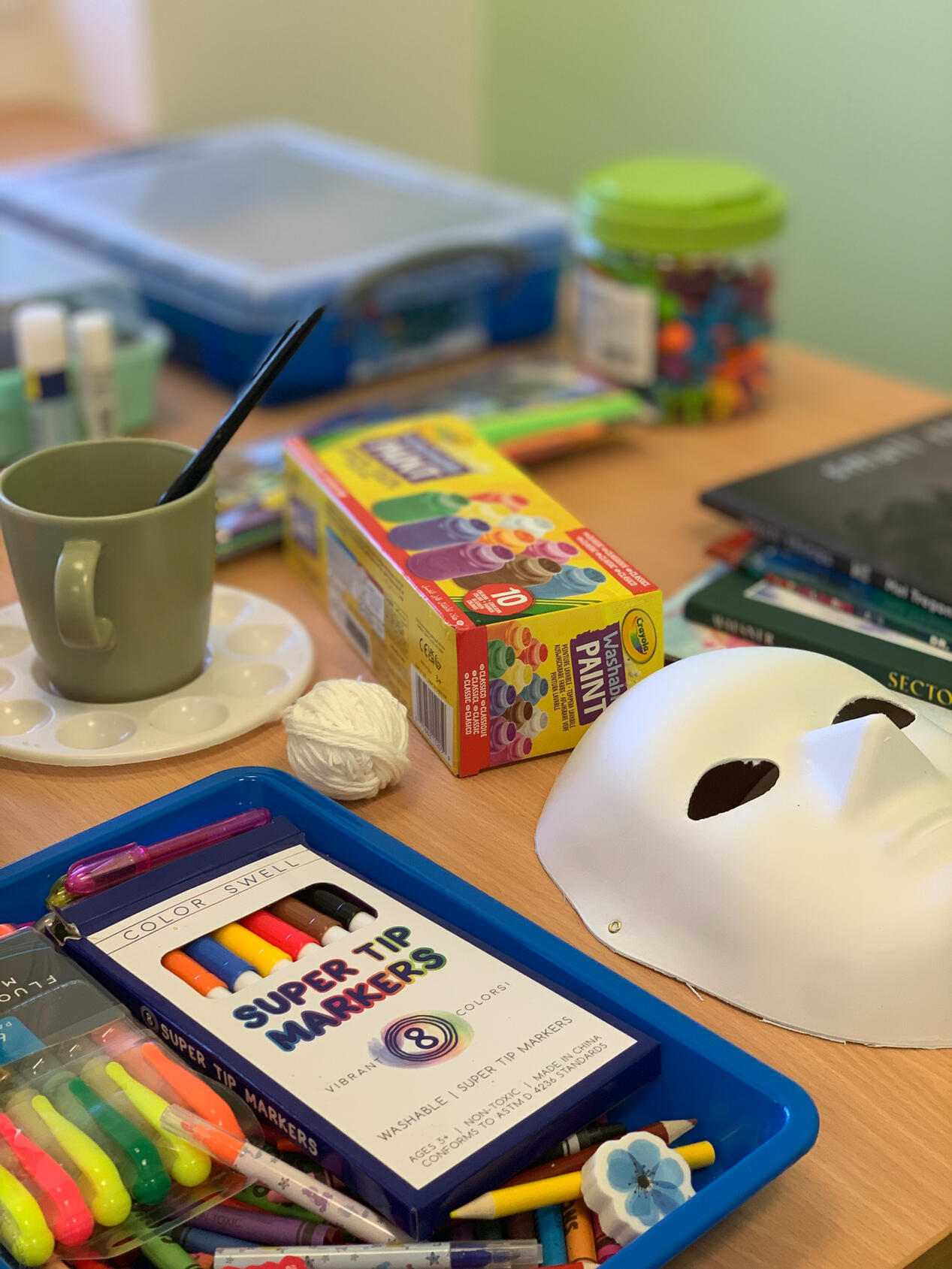
* I also now have some availability for online or in-person art tuition for children and young people (ages 6-14)!*
1 hour session at £40 per hour. This can be held online or at your child's home.
Please contact me if you would like to connect!
Use the contact form, email or call me:
[email protected]
07543 159505
© Natalie Mitchell. All rights reserved.
testimonials and feedback
"...Across all projects at Teapot Trust, Natalie worked thoughtfully, sensitively, and reflectively. She is kind, considerate, and non‐judgmental in her approach, and she creates safe spaces for children and young people to explore difficult subject matter..."
Ally Lloyd, Art Therapy Projects Coordinator, Teapot Trust
© Natalie Mitchell. All rights reserved.

Questions and thoughts you might have
is it for me?
Art therapy is a personal choice; some people may feel more at ease than others. It is a good idea to do a bit of research into art therapists and therapy sessions near you to find out more. If you are curious and open to using art materials and creativity in your wellbeing, then it may be of benefit to you.
I’m nervous about starting, I don’t know what to expect!
That’s ok! Understandable! Our journey will begin with a conversation where I will learn more about you and understand why you are interested in art therapy, and what you are hoping for. I can offer you more information about art therapy and we can talk about how it could support you. We can also talk through any questions you may have.
what happens in art therapy
An art therapy session can offer a space to explore experiences, thoughts and ideas. It isn’t about making art for the wall, but rather use the time to explore emotion through your creative expression – the process is often the key.I would ask questions or offer thoughts on your art or what is happening in the room with you, me, or us. Perhaps, what was going through your mind as you created the image, or what you were feeling when you worked on it. The process is often the insight into your thoughts and emotions. You may notice a change in your mood from starting the piece of art to finishing it. You may feel sensations in your body as you are creating. These are all important and welcome.
Do I need to be artistic or good at art to have art therapy?
What does being artistic or being good at art mean to you?
Having artistic skill is not important at all. This is not an art class so you will not need to have or develop artistic skills. The artmaking is there as a means to explore difficult emotions, thoughts or experiences that can be hard to put into words. However, I can support you with the art materials if you need. Bring your curiosity!
Is art psychotherapy just for children?
It's easy to think this as there is a sense of play and exploration in being creative. But maybe returning to playful and expressive ways of being are what you are looking for. Art psychotherapy can be for everyone. Age (including infants and parents), gender, sexuality, culture, illness or disability have no bearing on whether or not you can access the therapy. I work online and in person, whatever suits you.
Will the sessions be in a group or individual?
This depends on your needs. Art psychotherapy can be conducted in groups or in one-to-one sessions based on your preference. Group art therapy offers more collective support, whereas individual sessions allow a more personally focussed environment.
Will I be expected to talk during my art therapy sessions?
Not necessarily. Art therapy focuses on the means of creating something and is not dependent on talking. In the creative process you may begin to find a particular way of using the art materials that appeals to you, or you may have found a way to communicate through colour, shape, sound or movement, or even your senses, rather than through words. There will be some discussion as well, but not in the same way as talk therapy which relies on finding and using the right words. Sometimes we may struggle to find the right words to explain what happened, or how something felt, or what impact it has had on us. Art can be the bridge to help us communicate these difficult thoughts. However, there is no expectation to make art in each session and talking may be what you need at that time. I can support you in this, and each session might be different to the next.
How private is this?
What you share in our sessions is private. I will not share your information, your images or what you tell me, with anyone unless you agree. However, there are exceptions:
- I have clinical supervision to support me as an art therapist and may share aspects of our work together so I am able to support you better.
- If I think you are at risk of harm, or someone else may be harmed, I must report this to the appropriate person or organisation. I will talk this through with you first whenever possible.
- If the law requires me to disclose certain information, I must do so.
Are you analysing me and my art?
An art therapist is someone who understands the art process and has a psychotherapeutic training too. A common idea is that they analyse pictures, and the person. My role is to be alongside you, to collaborate with you, support or guide you to find your own meaning in your images. This is your story and experience.
Is my therapist qualified?
Take your time in researching and finding your art therapist. Art psychotherapists hold a Master’s degree in art psychotherapy approved by the Health and Care Professions Council (HCPC). They will also be registered with and regulated by the HCPC. Ask your therapist if you need more information about their qualifications, they should be more than happy to talk this through with you.In the UK, the title art therapist and art psychotherapist are protected by law. All UK art therapists must be state registered with the Health and Care Professions Council (HCPC). All registered art therapists can be found on the HCPC’s register.
How do I book with you?
We can arrange a 20 minute initial chat over the phone or online so we can talk over any questions or thoughts you might have. This will be free of charge.I have some availability for individual sessions, either online, walk and talk, or sessions in the natural environment.If your school or organisation is interested in running an art therapy group, or a taster session for the people you work with, then please get in touch.
© Natalie Mitchell. All rights reserved.
my creative space
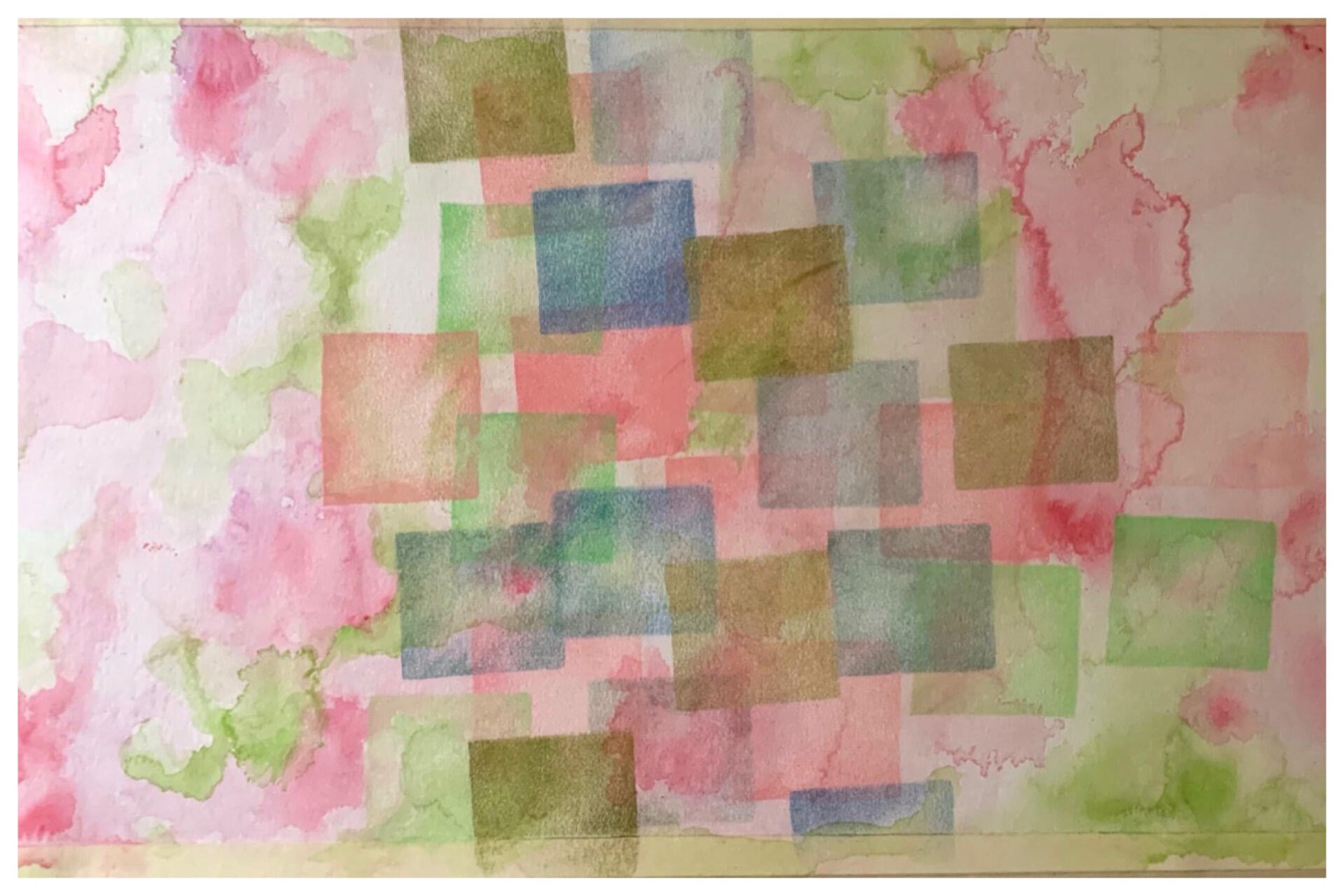
I use art making to inform my thought processes in my work but being creative in my own time and space is important to me. Knitting and crochet are my go-to, using both hands, the repetitive movements, and creating something from a ball of yarn soothes me! My other art making will vary, depending on what mood I'm in and what I need in that moment. I hope to share things I might be working on here, come back soon!
my shop
Please send me a message here or instagram if you are interested in any of the items.
COMING SOON!
© Natalie Mitchell. All rights reserved.
GET IN TOUCH
© Natalie Mitchell. All rights reserved.
Thank you
Thank you for messaging :)
I'll be in touch soon if your
message requires a reply.
© Natalie Mitchell. All rights reserved.